I recently spoke with someone espousing an Open Theistic perspective. I’m likely more inclined to accept Open Theism. But that’s a different discussion. As we spoke, I indicated how my “faith-disconnects” and subsequent deconstruction from Christian faith are in part due to so many different conclusions being derived from the same source material – aka the Bible. I asked, ‘How can learned and well-meaning people reading the same source material (the Bible) not coalesce around a common faith and set of beliefs?’
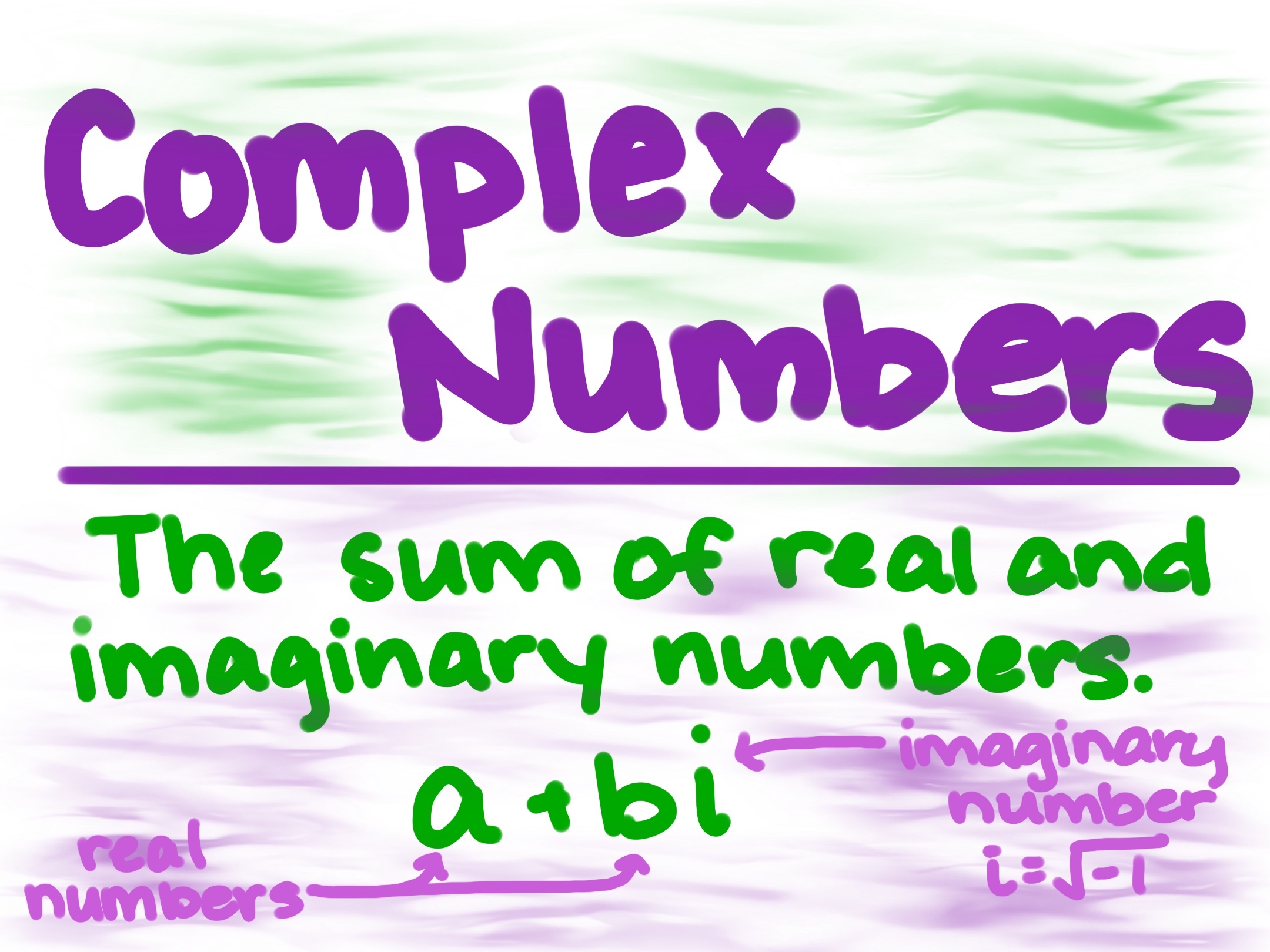
He mentioned how theology is much like complex numbers within mathematics i.e. a+bi. Huh? Having taken some higher math courses, I understand complex numbers. Yet, I sense that theology is much more like algebra. I don’t perceive theology as being all that complicated to incorporate ‘real’ and ‘imaginary’ aspects – doctrines and beliefs. Consider that every ninth-grade algebra student will solve an algebra problem and derive the same result. Every person … every time … with the same result. Okay, maybe I can accept “variables” of beliefs within the Christian community as it relates to cultural differences. But in my mind, doctrines ought to be the same. Nevertheless, over the course of the evening, these comments were made to support why theology is akin to complex numbers.
- The Bible is a collection of writings whose authors attempt to respond to the Light as they perceive it. No one fully understands the divine and Bible writers are no exception.
- God doesn’t make our perception crystal-clear.
- The Bible can be a source of wisdom but is not a certain foundation because it has flaws.
- Biblical inerrancy is a myth. Errors exist within the text.
- Some texts within scripture misrepresent God.
- Communities of faith err in their understanding of scripture.
- God relates with free-will creatures which have limited mental capacities. As such, an error-free revelation can’t be ensured.
- A still small Voice is present in all circumstances, even if we can’t perceive it with our five senses.
- A loving God nudges, woos, and otherwise persuades us toward beauty, truth, goodness, justice, and love. God calls us to think and to do.
- Some people are more open to the influence of this invisible Revealer.
Perhaps for the first time I have found someone willing to as much state that there are errors within the text of the Bible. I’ve always thought that everyone perceives biblical truth through colored lenses – and it’s not just individuals but communities of faith as well that err in their understanding scripture. Well, that’s not exactly the ringing endorsement as to inerrant truth that was hoping for. And so I try to understand the inconsistencies (I perceive) within the understandings of various believers. On the one hand, Calvinist doctrine states that because God is sovereign, nothing happens without his foreknowledge. In other words, anything which does happen is because of ‘compatibilism’ wherein God has instilled the desire and outcome is the ‘free-will’ action of a person which God has also determined. On the other hand, an Open Theistic perspective states that God does not necessarily know what his creation will freely do in the future and as such, God’s knowledge and plans for the future are conditional upon our actions – or lack thereof.
The confusion and deconstruction of my Christian faith continues.

 Martin's Mercurial Musings